
Best Photography Spots in Delhi
- Email ID: [email protected]
- Contact No: 9810222172
- Website: https://www.optimatravels.com/india-tour-packages-by-destinations/new-delhi-india-tour-packages.aspx
- City: New Delhi
- State: Delhi
- Country: India
- Zip/Postal Code: 201318
- Listed: October 1, 2026 5:36 pm
- Expires: 59 days, 23 hours
Description
Delhi is a photographer’s delight, blending grand monuments, historic streets, colourful markets, gardens and dramatic architecture. From sunrise landscapes to lively bazaars, every corner offers distinctive opportunities for memorable photographs.
Humayun’s Tomb – Symmetry and Mughal Grandeur
Humayun’s Tomb is among the best photography spots in Delhi for travellers interested in architecture and symmetry. The magnificent Mughal monument, framed by its formal Charbagh gardens, offers excellent compositions from multiple viewpoints. Early morning provides soft light, fewer visitors and attractive reflections after watering or rain. Photograph the central dome, arched façades, geometric pathways and surrounding gardens. A wide-angle lens is useful for capturing the monument’s scale, while a standard lens works well for architectural details.
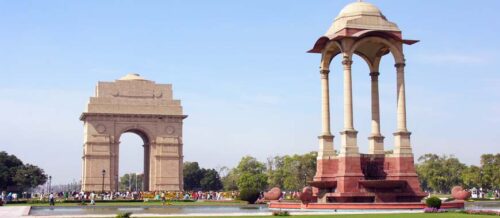
India Gate – Iconic Delhi Landmark
India Gate is particularly photogenic around sunrise, when the monument is softly illuminated and the surrounding avenues are relatively quiet. Its broad perspective and landscaped lawns allow photographers to experiment with symmetrical and low-angle compositions. Evening photography offers a completely different atmosphere, with the monument illuminated against the darker sky. Avoid standing in restricted traffic areas; use designated pedestrian spaces and follow security instructions.
Lodhi Garden – History and Nature Together
Lodhi Garden provides a rare combination of historic architecture and lush greenery. Medieval tombs rise dramatically among lawns, mature trees and flowering plants, creating opportunities for architectural, landscape and portrait photography. Bara Gumbad and Sheesh Gumbad are particularly rewarding subjects. Morning is ideal for softer light and peaceful surroundings, while winter afternoons can produce warm, attractive tones.
Jama Masjid and Old Delhi – Street Photography
For lively Delhi street photography, few places compare with the lanes around Jama Masjid and Old Delhi. Narrow streets, traditional shops, food stalls, rickshaws, historic façades and bustling crowds create constantly changing scenes. The area is especially atmospheric during the early morning and late afternoon. Ask permission before making close-up portraits of individuals, particularly shopkeepers and workers, and remain respectful around religious spaces.
Chandni Chowk – Colours, People and Movement
Recently transformed sections of Chandni Chowk offer excellent opportunities to capture the character of Old Delhi. Bright shopfronts, traditional markets, cycle rickshaws, street food and busy pedestrian lanes create energetic photographs. For better compositions, explore the area on foot rather than photographing everything from a moving vehicle. A compact camera or smartphone is often more practical than bulky equipment in crowded lanes.
Qutub Minar – Monumental Architecture
Qutub Minar is one of Delhi’s most recognisable architectural subjects. Its soaring sandstone tower, intricate carvings and surrounding archaeological remains provide opportunities for both close-up and wide compositions. Try photographing the minaret against the sky or framing it through nearby arches and columns. Arrive early to avoid harsh midday sunlight and larger crowds.
Agrasen Ki Baoli – Geometric Perspective
Agrasen Ki Baoli is a favourite among photographers because of its striking symmetry and descending rows of stone steps. The repetitive arches and linear perspective naturally create strong compositions. A wide-angle lens can capture the complete structure, while a telephoto lens can isolate architectural patterns. Visit during permitted hours and avoid obstructing other visitors while taking photographs.
Rashtrapati Bhavan and Kartavya Path
The grand ceremonial axis around Rashtrapati Bhavan and Kartavya Path offers photographs dominated by scale, symmetry and monumental architecture. The broad avenues are particularly attractive around sunrise and after sunset. Because this is an important governmental area, photographers should remain within public viewing areas and observe security restrictions.
Sunder Nursery – Heritage Landscapes
Sunder Nursery combines landscaped gardens, historic structures, water features and mature greenery, making it ideal for travel, nature and architectural photography. Its carefully designed pathways provide natural leading lines, while the restored monuments create attractive backgrounds. Allow sufficient time rather than rushing through the site.
Photography Tips for Delhi Travellers
The best time for outdoor photography is generally October to March, when temperatures are more comfortable and the light can be particularly pleasant. Sunrise is excellent for monuments and relatively empty streets; late afternoon suits heritage buildings and gardens. Carry spare batteries, keep equipment secure in crowded areas and use a lightweight setup
5 total views, 5 today

- Listed by: OptimaTravels
- Member Since: October 1, 2026
Other items listed by OptimaTravels
- No other ads by this poster found.